Commercial Waste in Clapham
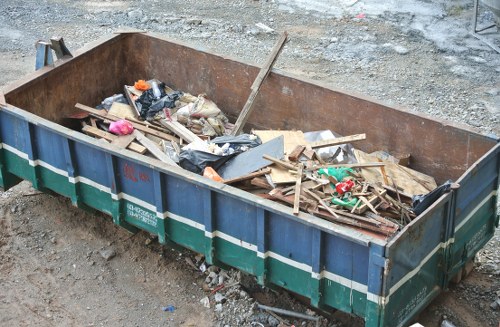
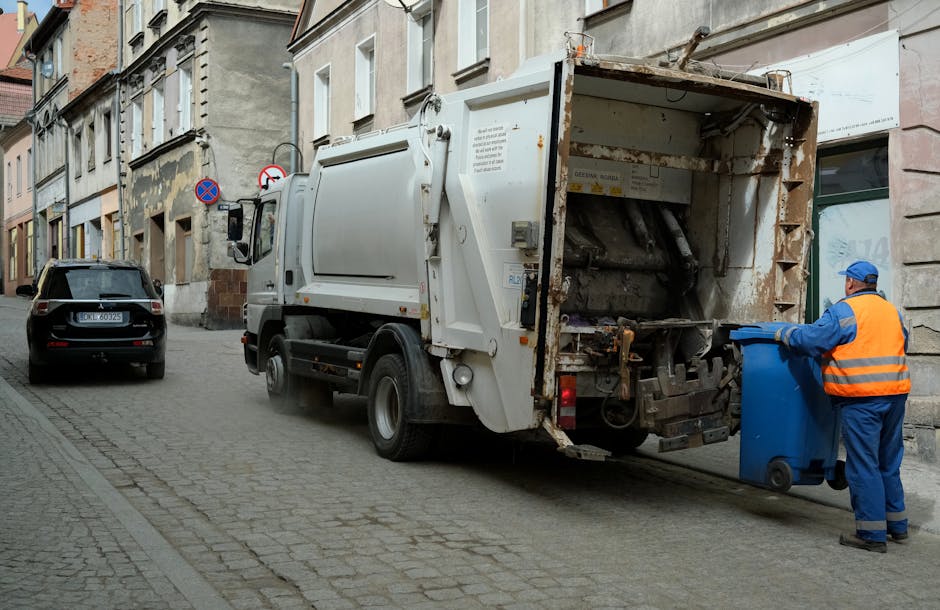
Commercial waste in Clapham needs a practical, lawful approach that keeps business premises clear without disrupting day-to-day work. We provide a service focused on collecting mixed non-hazardous business waste, separating suitable materials where possible, and removing loads from offices, shops, hospitality venues, studios and other commercial premises. The emphasis is on making disposal straightforward, with clear handling of different waste streams and sensible planning around access, loading and timing.
If you are arranging a one-off clearance or an ongoing collection, the main value is consistency: the right waste is taken away, the right materials are directed for recycling where possible, and the process stays simple for the people on site. For a pricing and quotes page, it helps to think about the waste type, approximate volume and how easy it is to reach. You can also contact us to discuss a quotation for your business waste removal in Clapham.
Useful for: offices clearing archived items, shops replacing fixtures, landlords after tenant turnover, and businesses with recurring waste that needs reliable collection. The aim is not just to move rubbish out of the building, but to do so in a way that suits the site, the waste type and the working pattern of the business.
Business Waste Removal for Regular Collections
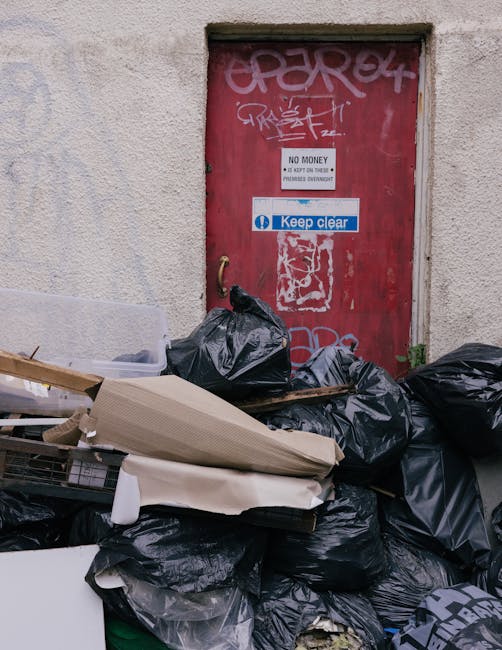
Regular business waste removal suits organisations that produce steady volumes of non-hazardous rubbish and want a simple route from storage point to disposal. This may include packaging, general office waste, unwanted stock, display materials, broken small items and other everyday business discards. The benefit of a planned approach is that waste does not build up in shared areas, back rooms or loading bays, and collections can be scheduled around the times that suit the premises.
Where the waste stream includes more than one material type, sorting can make disposal more efficient. Cardboard, paper, plastics, metals and mixed residual waste often need to be handled differently, and the best option depends on how the items are presented and what they are made from. A business may need only occasional support, or it may want a more structured arrangement for waste that is produced every week. In both cases, the job is easier when access is clear and the items are already grouped by type.
Our focus is on collecting commercial waste in a way that is neat, practical and proportionate to the premises. If the collection involves a larger cleanout, it may help to identify any fragile items, heavy pieces or materials that need separate handling. That simple preparation can save time on site and reduce avoidable confusion when the load is being assessed. Once the waste is described accurately, the next step is usually to decide whether a one-off clearance or a repeat collection is the better fit.
Office Clearance and Workplace Decluttering
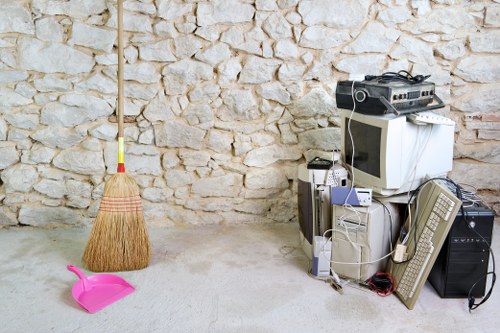
Office clearance is often needed when desks, cabinets, shelving, chairs, screens and general workplace clutter have outlived their usefulness. In a business setting, the challenge is rarely just moving items out; it is doing so with enough care to avoid interrupting colleagues, damaging floors or leaving useful equipment in the wrong pile. A good office clearance should deal with redundant furniture, paper waste, storage contents and other non-hazardous items in a controlled sequence.
Some workplaces are mainly open-plan, while others contain meeting rooms, private offices, filing areas and shared storage. Each layout changes how the clearance is planned. Narrow corridors, lifts, stairs and reception areas can all affect how items are moved, especially if furniture needs to be carried rather than wheeled. Where possible, useful items can be separated from waste before removal, and any confidential or sensitive paperwork should be handled through the appropriate route rather than mixed with general rubbish. Our service can support that sort of clean-out without turning the process into a complicated project.
When arranging office clearance, it often helps to decide the scope in advance. A short list works well:
- which rooms are included
- which items stay in place
- what needs dismantling
- what should be kept separate for reuse, recycling or disposal
Furniture Disposal and Internal Clearances

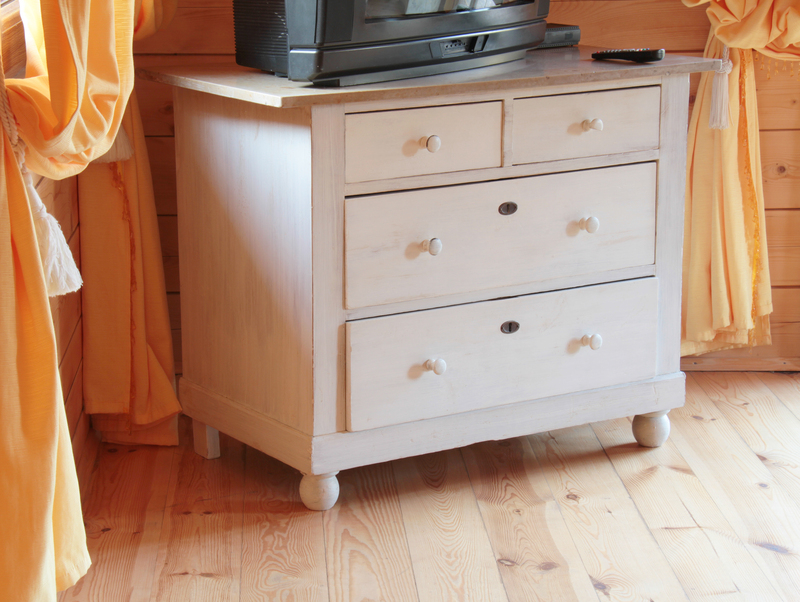
Commercial furniture disposal is a common part of waste management for premises that are being refreshed, reconfigured or handed back at the end of a tenancy. Office chairs, desks, tables, cabinets, shelving and waiting-room furniture may be usable for a while longer, but not suitable for the business to keep. The point of the service is to remove these items efficiently while taking account of size, weight and access constraints. Larger pieces sometimes need dismantling before they can be taken out safely.
There is also a practical difference between furniture that is simply unwanted and furniture that has suffered damage, staining or wear. Some items may be best treated as disposal only, while others can be separated for recycling if the materials allow it. We also handle related internal clearances where furniture is only part of a wider load, such as mixed office contents, retail display fittings or surplus stock. The main aim is to clear the interior without leaving unnecessary clutter behind.
Common furniture-related jobs include removing single bulky pieces, clearing a room of mixed furniture, taking away tired reception seating and dealing with redundant storage units. In many cases, the best result comes from planning the removal order before any lifting starts. That can reduce repeated trips through the same space and makes it easier to protect walls, doors and flooring. If you are comparing options, the condition, size and access route are often more important than the item count alone.
Builders Waste and Site-Related Commercial Loads
Builders waste clearance supports commercial premises after refurbishment, fit-out or maintenance work. Typical loads can include broken plasterboard, timber offcuts, packaging, tiles, old fixtures, metal sections and general debris left behind by contractors. The service is useful when a site needs to be returned to a usable state quickly, or when the waste left on the property is too awkward for normal bins or general refuse arrangements.
Different construction-related materials call for different handling decisions. Some items are light but bulky, while others are compact and heavy. Some can be recycled if kept separate, whereas mixed rubble and contaminated waste may need a different route. We do not assume every builders waste job is the same, because the make-up of the load matters. The clearer the waste is described, the better the quotation and the more precise the collection plan.
For businesses undertaking refurbishment in Clapham, timing can matter as much as volume. A premises might need part of the site cleared before trades can continue, or the final waste taken away once the last fixings and offcuts are out of the way. Where the job involves several waste types, it is often best to group them sensibly and keep sharp or awkward materials apart from loose rubbish. That approach makes the collection more controlled and helps reduce handling problems.
Furniture Disposal, Fridges and Appliances
Some commercial waste jobs include appliances as well as general contents, particularly where an office, kitchen area, break room or hospitality space is being updated. Fridges and similar appliances are treated differently from general rubbish because they often contain components that need specialist handling. Disposal therefore needs to be organised with more care than a standard clearance, especially when the item is bulky, heavy or difficult to move through tight access points.
Appliance removal is most straightforward when the item is described accurately and positioned so that it can be taken out without delay. That matters for under-counter fridges, full-height units, small freezers and other equipment that may be built into a fit-out or stored in a back area. If the appliance is part of a broader commercial clearance, it can be collected at the same time as furniture, packaging and other non-hazardous waste. The aim is to reduce disruption while still separating items that need different handling.
Businesses often find it helpful to sort appliance removals alongside other disposal tasks rather than leaving them until last. That way, one visit can deal with several categories of waste, provided each item is safe to move and properly described. Where there is any uncertainty about condition, contents or access, the safer approach is to share those details before the collection is arranged. A well-specified load is usually easier to price and easier to remove.
About Clapham
Clapham is a district in south London best known for the large open space of Clapham Common, which gives the area an unusually broad green heart for an inner-city neighbourhood. The common itself is one of the defining features of the district: a wide stretch of grassland, trees, paths and sports areas that provides room for leisure, walking and seasonal events. Around it, Clapham has a mix of residential streets, local shops and transport links that reflect its long development from a village-like settlement into a busy part of the capital. Historic buildings remain visible in several streets, including terraces, villas and converted properties that show the area’s growth in the eighteenth and nineteenth centuries. The district is also associated with a varied social history, with churches, squares and institutions that have helped shape its identity over time. Clapham South, Clapham North and Clapham High Street mark different parts of the area, each with its own character and movement pattern, while the nearby Underground and rail connections tie it into the wider city. The result is a place that combines open space, dense urban streets and a strong sense of local activity. For visitors and residents alike, the balance between the common, the high street and the surrounding residential lanes remains central to how Clapham is understood.
Clearance for Shops, Hospitality and Managed Premises
Retail units, cafés, restaurants and managed premises often produce a wider mix of waste than a standard office. Packaging, damaged stock, worn seating, display materials, shelving components, kitchen-area waste and general rubbish can all accumulate, particularly after a refit or seasonal changeover. Commercial waste removal in this setting needs to be organised so that the items being taken away do not block customer areas, staff routes or access to the back of house.
In hospitality and retail environments, the main consideration is often sequencing. Items may need to be removed after trading hours, before a contractor arrives, or during a narrow window when the premises are quieter. That does not change the disposal principles, but it does affect how the work is approached. Heavy items, awkward fixtures and mixed loads may need to be separated before collection. If anything is damaged, sharp or contaminated, it is better to identify it clearly so that the right handling can be planned.
Commercial premises also tend to benefit from waste removal that respects the layout of the site. Narrow service corridors, shared entrances, basement storage and rear access points can all influence how quickly a load is moved. A good clearance plan takes those factors into account rather than forcing a one-size-fits-all process. If you are comparing options, think in terms of the type of premises, the kind of waste and the route it has to travel rather than the quantity alone.
What Affects the Quotation

A quotation for commercial waste usually depends on the type of waste, the amount to be removed, how mixed the load is and how easy it is to access the items. A few well-chosen details make a difference: whether the waste is all in one room or spread across several areas, whether heavier items need dismantling, and whether there are stairs, lifts or restricted access routes. These details help ensure the estimate reflects the actual work rather than a generic assumption.
There are also practical differences between a simple pickup and a more involved clearance. Some jobs are straightforward collections from a loading area, while others involve moving items through occupied premises, separating reusable pieces from disposal waste, or handling a larger furniture and office contents mix. If the waste includes materials that need special care, such as appliances or confidential paperwork, those items should be identified separately. That allows the quotation to be prepared with fewer surprises and makes it easier to compare options on like-for-like terms.
When requesting a quotation, it is useful to describe the waste plainly and keep the request specific. A brief outline of the premises, the waste category and the access situation is often enough to start with. If a site has multiple floors or a back entrance, mention that too. The simpler the explanation, the easier it is to match the collection method to the job. You can also book online if that is the most convenient way to begin, then provide the remaining details alongside the request.
Recycling, Disposal and Responsible Handling
Responsible commercial waste handling is about more than just removal. Once the waste is collected, the materials need to be directed into suitable disposal or recovery routes where possible. That may mean separating recyclable content from mixed residual waste, keeping appliances apart from standard rubbish, or ensuring different materials are not unnecessarily combined. The better the initial sorting, the more straightforward the next stage becomes.
Not every commercial item can follow the same path, and not every load is suitable for the same treatment. Cardboard, metal, some plastics, office paper, broken furniture and fitted items all behave differently once collected. A sensible waste plan therefore starts with the actual contents rather than a generic assumption about business rubbish. We work with the load presented on site and take the practical route that fits the materials, access and overall size of the job. That keeps the service focused and avoids overcomplicating a straightforward clearance.
For businesses that want their waste handled with care, the best approach is usually to keep recyclable materials clean where possible and separate anything that is fragile, sharp or likely to contaminate other items. That can improve the efficiency of the collection and reduce unnecessary manual sorting later on. If you are ready to move forward, ask for a quotation for your commercial waste in Clapham and we will help you plan the next step.