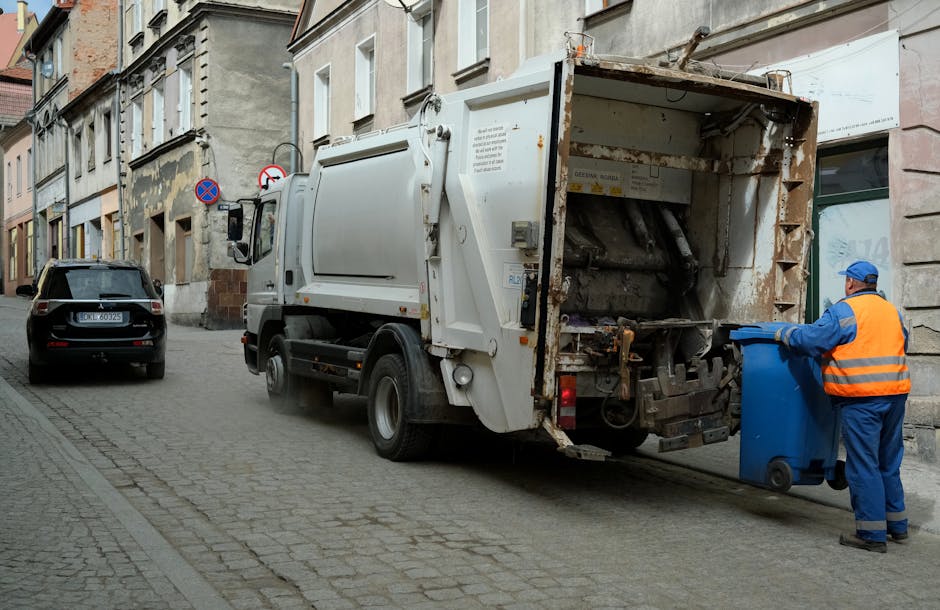
Abbeville Road bulky rubbish clearance tips for flats
Clearing bulky rubbish from a flat near Abbeville Road can feel simple right up until you try to move a sofa through a tight hallway, past a bike, with the lift out of order. That is when the real work starts. This guide to Abbeville Road bulky rubbish clearance tips for flats is written for exactly that moment: when you need clutter gone, you want the job done properly, and you do not want to annoy neighbours, breach building rules, or end up dragging a mattress down three flights of stairs at 7 a.m. on a wet Tuesday. Been there? Most flat dwellers have, at least once.
Below, you will find a practical, London-friendly approach to planning, sorting, moving, and arranging bulky waste removal with far less stress. We will cover what counts as bulky rubbish, how the clearance process works in a flat, the common traps to avoid, and the best ways to stay safe and organised. If you only need the short version, here it is: measure first, sort properly, protect shared areas, and book the right collection method for the items you actually have.
Quick expert summary: In flats, the hardest part is rarely the rubbish itself. It is access, timing, and building etiquette. Sort early, keep communal spaces clear, and choose a clearance method that matches your stairs, lift, and item size.
Why Abbeville Road bulky rubbish clearance tips for flats Matters
Bulky rubbish in flats is not just "stuff in the way". It can block entrances, make cleaning harder, attract pests if it is left too long, and create trip hazards in shared corridors. In a flat setting, those risks spread quickly to everyone else in the building. One chair left in a hallway can become a complaint. One mattress in a lobby can make the whole block look untidy. And one careless move with a heavy wardrobe can scratch walls or damage the lift doors. Not ideal.
For residents around Abbeville Road, the challenge is often the same: older buildings, narrow stairwells, shared access points, parking limits, and neighbours who quite understandably do not want a chaotic lift queue at disposal time. Good clearance planning saves time, reduces disruption, and usually saves money too, because a tidy, well-prepared collection is quicker to complete.
There is also the practical reality of flat living. You cannot always put bulky waste out on the pavement and hope for the best. You need to think about building management rules, collection timing, and whether the item can physically be moved without damage. That is why a flat-specific approach matters. It is not about making the job more complicated. It is about making it workable.
If you already know some of your items are standard household furniture, it can help to look at related options such as furniture clearance or mattress and sofa disposal, especially when you are dealing with a mixed load rather than one single item.
How Abbeville Road bulky rubbish clearance tips for flats Works
In a flat, bulky rubbish clearance usually follows a simple pattern: identify the items, separate what stays from what goes, confirm access, arrange collection, and move everything in a safe, controlled way. The steps sound basic, but the detail is where people get caught out. A desk that seems manageable in the lounge may not turn a corner in the stairwell. A fridge that looks small can be surprisingly awkward once you factor in weight and door swing. That sort of thing.
There are generally three ways flats deal with bulky waste. First, residents may take items to a permitted communal collection point if the building has one. Second, they may arrange a special uplift or private clearance. Third, if the items are still usable, they may pass them on, although that is only realistic when the items are clean, intact, and available for reuse. For many flats, especially in busy parts of London, the private clearance route is the most efficient because it avoids repeated handling and reduces the chance of blocked corridors.
Before anything is moved, the access route should be checked carefully. That means front door width, stair width, lift size, corner turns, ceiling lights, fire doors, and any items that may need to be dismantled. A quick measurement with a tape measure can save a very long awkward pause later. To be fair, a lot of clearance problems start with "I thought it would fit".
For heavier mixed loads, you may also want to consider broader clearance services such as flat clearance or waste removal when the job is bigger than a one-item pickup. If the load includes appliances, separate handling is usually wise, which is where fridge and appliance removal can be especially relevant.
Key Benefits and Practical Advantages
A well-planned bulky rubbish clearance does more than clear floor space. It reduces friction, protects your building, and makes it easier to move on with the rest of your week. That matters when you are trying to work from home, manage a tenancy changeover, or simply get your flat back into a sane state.
- Less stress: You avoid last-minute panic, awkward lifts, and rushed decisions about what can be removed.
- Better building etiquette: Shared spaces stay tidy, and neighbours are less likely to be inconvenienced.
- Reduced damage risk: Careful planning helps protect walls, floors, door frames, and lift panels.
- Faster clearance: When items are sorted and ready, removal tends to be smoother and quicker.
- Cleaner decision-making: You can separate reusable items, recyclable materials, and true waste more effectively.
- Safer handling: You are less likely to strain your back or drag something dangerous down the stairs in a hurry.
There is also a small but real psychological win here. A flat feels lighter when the bulky stuff has gone. You notice it immediately, usually by the sound of the room. Less echo, less clutter, less visual noise. It is a good feeling, honestly.
Who This Is For and When It Makes Sense
This kind of clearance is useful for tenants, leaseholders, landlords, managing agents, and anyone helping a relative clear a flat. It is especially relevant when items are too large for normal bin collections, too heavy for one person to move safely, or too awkward to transport through shared access.
You might need these tips if you are:
- moving out of a flat and cannot leave large items behind
- replacing old furniture or appliances
- clearing a spare room, box room, or studio flat
- helping with a probate or end-of-tenancy clear-out
- dealing with a bulky item that has been stored "just for now" for far too long
- managing a building where access is limited or scheduled carefully
It also makes sense when the items are not exactly rubbish in the emotional sense. Many people are parting with a dining table, a bed, or a bookshelf that still has some life left in it. That can make the process oddly hard. If that is you, take your time with the sorting stage. You do not need to turn it into a tiny farewell ceremony, but a little care goes a long way.
For larger living-space clearances beyond one or two items, services such as home clearance and house clearance may be more appropriate. If the project includes a mix of storage and overflow items, loft clearance or garage clearance can also be worth considering.
Step-by-Step Guidance
Here is a practical way to approach bulky rubbish clearance in a flat without making a mess of it.
- Walk through the flat and list everything bulky. Note sofas, wardrobes, beds, mattresses, desks, chairs, appliances, shelving, and any odd-shaped items. Be honest about size. The old "it will be fine" instinct is not your friend here.
- Separate reuse, recycle, and dispose. Put reusable items aside first. Then identify what can be recycled or needs special handling. This is the point where you decide whether you are dealing with a single item or a full mixed load.
- Measure access points. Check doors, stairs, lifts, landings, and any tight turns. If an item will not fit intact, decide whether it can be dismantled safely.
- Confirm building rules. Some blocks have quiet hours, loading rules, or instructions about leaving items in communal areas. It is worth checking, even if the wording is a bit dry.
- Protect surfaces. Use blankets, cardboard, or wraps for corners and door frames. This is a small step that prevents irritating damage.
- Move smaller parts first. Remove drawers, shelves, cushions, and detachable legs where possible. Lightening the load makes everything easier.
- Position items neatly near the exit only when allowed. Do not block fire exits, lift lobbies, or shared corridors. If the item cannot be left out safely, keep it inside until collection.
- Arrange the pickup at a sensible time. If possible, pick a slot when the lift and access route will be least busy. Early morning can work well, but only if the building rules allow it.
- Final sweep. Check for screws, splinters, broken glass, loose packaging, and anything sharp on the floor. The small stuff is what catches people out. Always.
If your clearance includes upholstery or larger seating, you may find it useful to review furniture disposal alongside your planning, especially if you are unsure whether a piece should be broken down before collection.
Expert Tips for Better Results
Small decisions make a big difference with flat clearances. A few sensible moves can turn a clunky job into a smooth one.
Measure, then measure again
If an item is large enough to need two people, it is large enough to justify a tape measure. Check not only the item dimensions but the diagonal space through doors and along corridors. A sofa may appear to fit in theory, but real-life turns are less generous than floor plans.
Take photos before moving anything
Photos help you confirm what is being cleared and what condition the item is in. That is useful for organising a quote, but also for memory. People forget how much they had. Strange, but true.
Bundle by type
Keep furniture, small mixed waste, and special items grouped separately where possible. This speeds up the job and reduces confusion on the day. If there are confidential papers involved, do not tuck them into a box with general rubbish. Use confidential shredding for sensitive material rather than guessing.
Watch the weight, not just the size
Some of the worst clearance jobs are the ones that look easy. A small filing cabinet can be brutally heavy. A cheap wardrobe can wobble badly if you tilt it wrong. A wet mattress is no joke either. If something feels off, stop and reset the plan.
Think through the exit route
Where will the item pivot? Which handrail is in the way? Is the lift door narrow? Does the stairwell have a low ceiling light? These are the little details that make professional-style planning worth it.
Keep the building tidy throughout
Residents and managing agents notice mess more than effort. If you can, remove one item fully before bringing out the next. It sounds obvious, but a tidy rhythm is much calmer than stacking everything in a corridor and hoping for the best.
And if you are booking a service, it is sensible to check practical standards such as insurance and safety and health and safety policy information. Not glamorous, no. Very useful, though.
Common Mistakes to Avoid
Most bulky rubbish problems are avoidable. The tricky bit is that the mistake often feels harmless right up until it becomes a hassle. A few examples:
- Leaving items in communal areas too early. This can block access, upset neighbours, and cause complaints.
- Not checking whether an item needs dismantling. A partially disassembled wardrobe in the hallway is just a bigger headache.
- Mixing hazardous items with standard waste. Certain materials need separate treatment, so do not lump them together.
- Ignoring lift size or stair width. One awkward turn can stall the whole job.
- Forgetting parking or access restrictions. In London, access is part of the job, not an afterthought.
- Underestimating time. Rushing bulky waste removal is how accidents happen.
- Using weak bags or unstable boxes. They split, spill, and generally create a bad afternoon.
A less obvious mistake is keeping too much "maybe useful" stuff in the flat while trying to clear the obvious waste. That creates decision fatigue. If an item has not been used for a long time and it is not genuinely practical to store, be honest with yourself. Do you really need to move it again next month?
Tools, Resources and Recommendations
You do not need a specialist toolkit, but the right basics make the work far easier. A modest amount of preparation goes a long way.
| Item | Why it helps | Best use in a flat |
|---|---|---|
| Measuring tape | Checks item size against doors, stair turns, and lift space | Before anything is moved |
| Work gloves | Protects hands from splinters, sharp edges, and dust | Handling furniture and mixed waste |
| Moving blankets or cardboard | Helps protect walls and doors | Shared corridors and lifts |
| Marker pen and labels | Makes sorting clearer | Separate keep, donate, dispose piles |
| Small screwdriver or Allen key set | Helps dismantle furniture | Wardrobes, bed frames, shelving |
| Heavy-duty bags or boxes | Safer than overfilled light bags | Mixed small items and loose debris |
For people dealing with a larger sort-out, it can also be worth looking at recycling and sustainability so you can separate reusable materials from the true waste stream more responsibly. That does not have to turn into a grand recycling project, by the way. Just a bit of common sense and good sorting is enough.
If your flat clearance overlaps with a work setup or home office, office clearance may be relevant for desks, chairs, and paperwork-heavy items. And if the clutter has migrated into multiple areas of the property, services like furniture clearance can help make the job feel less patchy and more joined-up.
Law, Compliance, Standards, or Best Practice
Flat clearance is not the place to improvise with waste rules. While this article is not legal advice, a few sensible UK best practices apply. Duty of care is the big one: you should make sure waste is handled responsibly, transferred to an appropriate carrier, and managed in a way that does not create a nuisance or hazard. In plain English, do not hand rubbish to someone unofficial and hope it disappears nicely.
In shared buildings, you should also respect the lease, building rules, and any instructions from managing agents. That usually covers where items can be stored temporarily, when collections can happen, and how communal areas must be left afterwards. If you are unsure, ask first. It is quicker than apologising later.
Some waste types need extra care. Fridges, large appliances, and certain electrical items should not be treated like ordinary rubbish. If the load includes anything awkward, check the handling approach before the collection day. Likewise, anything potentially hazardous should be separated and dealt with properly. If in doubt, keep it out of the general pile and review hazardous waste disposal guidance before making assumptions.
Professional services should also be transparent about how they operate. That includes clear prices, clear payment terms, and sensible safety procedures. If you are comparing options, it helps to look at pricing and quotes and payment and security details so you know what is included. Nothing fancy. Just clarity.
Options, Methods, or Comparison Table
Not every bulky clearance in a flat needs the same approach. Here is a straightforward comparison to help you choose the right method.
| Method | Best for | Strengths | Limitations |
|---|---|---|---|
| DIY carry-out | Small, light, easy-to-move items | Low direct cost, simple for one item | Risky for heavy items, awkward in flats |
| Managed communal collection | Buildings with organised disposal arrangements | Convenient if the system already exists | Depends on building rules and timing |
| Private bulky waste clearance | Mixed loads, heavy items, tight access | Fast, controlled, less stress | Usually costs more than doing it yourself |
| Furniture-specific removal | Sofas, wardrobes, beds, dining sets | Good for larger household items | May not suit mixed waste without planning |
| Full flat clearance | End-of-tenancy, moves, major decluttering | Best for multiple rooms and bigger jobs | Requires more organisation and time |
For many people in flats, the decision comes down to access and patience. If it is one lightweight item, DIY may be fine. If it is a sofa, a mattress, and a broken shelf all at once, a more structured service is usually the wiser call. You do not need to make it heroic.
Case Study or Real-World Example
A typical flat clearance scenario might look like this. A resident in a two-bedroom flat near Abbeville Road wants to clear an old three-seater sofa, a broken bedside cabinet, and a mattress before a move. At first glance, it seems straightforward. Then the measurements happen. The sofa is too wide for the tight corner by the stairwell, the mattress bends awkwardly, and the cabinet has loose back panels that could split apart if dragged.
The sensible approach is to remove detachable parts first, protect the wall edges with blankets, and move one item at a time with a clear route. The resident also checks the building rules about corridor use and avoids placing anything in the communal hall overnight. The collection is quicker, there is no damage to the paintwork, and the shared entrance stays usable. Not dramatic, not glamorous, but exactly how a good clearance should go.
I have seen the opposite too: one person tries to shift everything in a rush before lunch, the lift is blocked, and by the time the sofa gets halfway downstairs everybody is annoyed. It is almost always the pace that causes the problem. Slow is smooth here. Smooth is safe.
Practical Checklist
Use this checklist before moving bulky rubbish out of a flat:
- List every bulky item that needs to go.
- Measure the item and the access route.
- Check building rules and collection timing.
- Separate keep, donate, recycle, and dispose piles.
- Remove loose parts from furniture where possible.
- Protect walls, doors, and floors.
- Make sure communal areas will stay clear.
- Use safe lifting methods and get help for heavy items.
- Keep hazardous or specialist waste separate.
- Confirm the final collection plan before moving anything out.
If you are also sorting out bigger household areas, the same careful method applies to garage clearance, loft clearance, and other storage-heavy spaces. The structure is the same: sort, measure, move, and keep things tidy.
Conclusion
Abbeville Road flat clearances are usually easiest when they are treated as a planning job first and a lifting job second. That small shift in mindset changes everything. You make fewer mistakes, protect shared spaces, and reduce the odds of a frustrating half-finished mess in the hallway. In a flat, where access and neighbour consideration matter just as much as the waste itself, the calm approach is usually the smart one.
So if you are staring at a bulky item and wondering how on earth it is going to leave the building, start with the basics: measure it, sort it, protect the route, and choose the right clearance method. It is a very ordinary process, really. That is the good news. Ordinary means manageable.
Get a free quote today and see how much you can save.
Frequently Asked Questions
What counts as bulky rubbish in a flat?
Bulky rubbish usually means items that are too large, heavy, or awkward for normal bin collection. Common examples include sofas, mattresses, wardrobes, desks, tables, shelving, and large appliances.
Can I leave bulky items in a communal hallway before collection?
Only if your building rules allow it and the items will not block access, fire exits, or other residents. In many flats, leaving items in shared areas too early is not a good idea.
Do I need to dismantle furniture before a bulky clearance?
Not always, but it often helps. If an item will not fit through doors or stairwells intact, removing legs, shelves, drawers, or panels can make the job much easier.
What if my flat has no lift?
Then access planning becomes even more important. Measure the stairwell, protect surfaces, and think carefully about weight and turning space. Some items may be too awkward to move safely without help.
How do I know whether an item should be recycled or disposed of?
Start by checking whether it is reusable, repairable, or made from materials that can be separated. If it is broken beyond practical use, disposal is usually the next step. Mixed loads often need a bit of sorting before collection.
Are fridges and other appliances handled differently?
Yes, they often are. Appliances can contain components that need careful handling, so it is better to separate them from general bulky waste and arrange appropriate removal.
What is the easiest way to clear a flat before moving out?
Work room by room, sort early, and keep the access route clear. If the flat has several bulky items, a structured clearance service is usually the least stressful option.
How can I avoid damaging walls or floors?
Use blankets, cardboard, or other protection on corners and tight turns, and move one item at a time. Rushing is usually what causes scuffs and dents.
What should I do with confidential paper records?
Keep them separate from general waste and arrange secure destruction rather than mixing them into a bulky rubbish pile. That is the sensible move, plain and simple.
Is a full flat clearance the same as bulky rubbish clearance?
Not quite. Bulky rubbish clearance focuses on large items, while flat clearance usually covers a wider mix of contents from a whole property. If you are clearing several rooms, flat clearance may be the better fit.
When should I book a clearance instead of doing it myself?
If the items are heavy, the access is awkward, the building has strict rules, or you simply do not want the hassle, booking a clearance is often the better choice. Sometimes paying for calm is worth it.
Can bulky waste clearance help if I only have one large item?
Yes. Even a single sofa, mattress, or wardrobe can be difficult to move in a flat. A one-item collection can save a lot of strain, especially when stairs or lifts are involved.
For a reliable next step, you can review book online if you are ready to plan ahead, or check about us if you want a better sense of the team behind the service. And if you are still weighing up what to do, that is fine too. A thoughtful plan now usually makes the whole thing feel much lighter later.
One last thing: bulky rubbish in flats can feel like a headache, but it rarely stays that way once there is a clear plan. Take it step by step, keep it sensible, and you will be fine.