Commercial Waste Clapham: Recycling and Sustainability
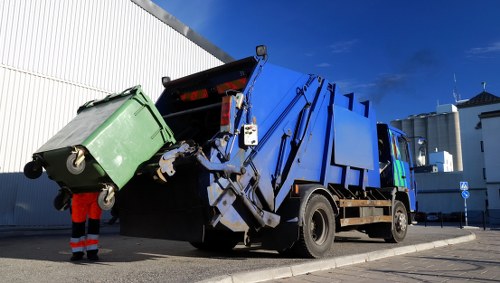 Commercial Waste Clapham manages an eco-friendly waste disposal area focused on measurable recycling and low-carbon operations across the Clapham commercial landscape. Our approach to creating a sustainable rubbish area reflects local borough practices and national best practice: source separation, reuse, and careful routing of materials to authorised processing points. We work with businesses across shops, cafes and construction sites to reduce landfill and increase the reuse of valuable materials.
Setting clear targets is core to our work. We have committed to a 70% recycling percentage target by 2030 for commercial waste in Clapham, with staged milestones (50% by 2026, 60% by 2028). These figures are ambitious but achievable through a mix of source-separated collections, expanded food waste capture and stronger partnerships with local charities and municipal facilities. The target supports the wider boroughs' approach to waste separation, which encourages separate streams for food, paper, glass and mixed recyclables to maximise diversion.
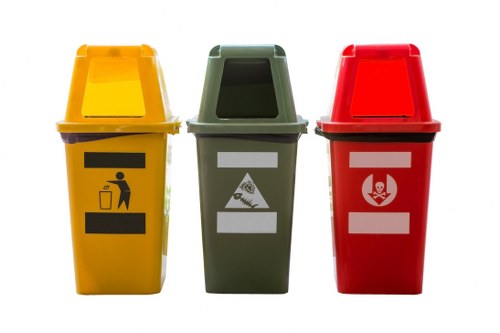 Local transfer stations are a vital link in the chain for any eco-minded operator. We route collected materials to nearby transfer stations and authorised municipal facilities in Lambeth and neighbouring boroughs to keep haulage mileage low and processing times short. By using compliant transfer hubs and recognised materials recovery facilities (MRFs), we increase the rate of successful recycling and reduce contamination in mixed loads.
Partnerships with charities and social enterprises are a pillar of our reuse strategy. We collaborate with local reuse networks, community reuse organisations and national charities such as FareShare and Emmaus to channel surplus food, furniture and textiles away from landfill. These partnerships turn commercial refuse into community resource and support a circular economy in Clapham, helping local people while reducing waste handling and processing emissions.
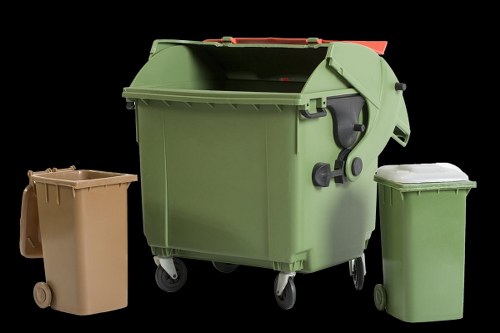 Our collection systems mirror borough-level separation policies: dedicated streams for food waste, cardboard and paper, glass and cans, small WEEE (electrical items) and segregated construction materials. This separation at source makes recycling easier and cleaner when loads reach transfer stations and MRFs. We also provide training and clear signage to staff and tenants to ensure that separation rules are followed, lowering contamination and increasing recovery rates.
We support a range of recycling activities relevant to the area, including:
- Commercial food waste capture and anaerobic digestion feedstock
- Cardboard and paper baling for remanufacture
- Glass and metal segregation for recycling streams
- Textile and furniture reuse through charity partners
- WEEE collection and secure handling of electronic items
Low-emission transport is central to an eco-friendly waste disposal area. Our fleet includes low-carbon vans, hybrids and fully electric vehicles to service Clapham’s narrow streets and busy commercial corridors. These vehicles reduce local NOx and particulate emissions and lower overall carbon intensity for commercial waste collections. Coupled with route optimisation software and consolidated collections, we minimise vehicle miles and return trips to transfer stations.
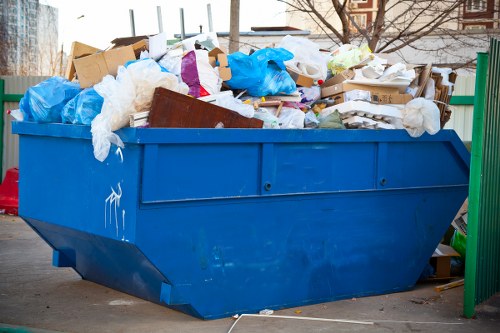 We also coordinate with local transfer stations to shorten haul distances and increase payload efficiency. Using transfer hubs within Lambeth and adjoining boroughs reduces the number of long-haul journeys to distant facilities and helps maintain a lower-carbon supply chain for waste processing. Authorised transfer stations and MRFs in South London help us keep material flow tight and ensure regulatory compliance for all waste streams.
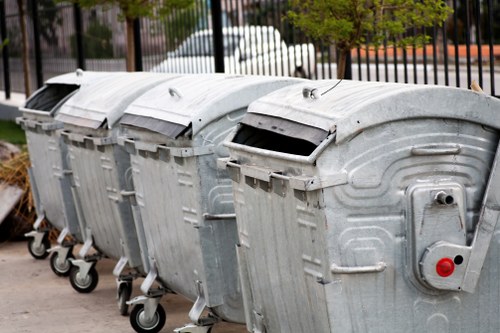 Accountability matters: we measure performance monthly and publish internal KPIs that track recycling percentage, tonnes diverted from landfill, number of charity donations, and carbon reductions from our low-emission fleet. Our monitoring tools allow businesses to see progress against the 70% recycling by 2030 goal and to identify hotspots where additional separation or training would raise recovery rates. We also audit contamination levels at MRF intake to refine collection rules and improve overall recycling quality.
Practical steps for a greener commercial waste service in Clapham
To support a thriving sustainable rubbish area, we recommend simple actions for local businesses: segregate food waste from dry recyclables, compact cardboard at source, schedule consolidated collections, and arrange periodic WEEE and textile pickups for reuse partners. These actions reduce disposal costs and help businesses meet borough compliance standards for waste separation.
Our teams work with property managers and business improvement districts to implement practical collection regimes tailored to premises size and trade type. By aligning collections with local policies—such as separate food and mixed-recycling streams favoured by Lambeth and neighbouring boroughs—we help operators comply with regulations while improving recycling outcomes and supporting community charity partners.
Commercial waste services Clapham are evolving: investment in transfer station relationships, charity partnerships, and low-carbon vans makes the difference between a standard rubbish pick-up and a resilient, circular service that benefits the whole community. We are committed to keeping commercial waste in Clapham moving toward a measurable, sustainable future.
Summary of commitments
Key commitments:
- 70% recycling percentage target by 2030 with interim milestones
- Partnerships with local charities and reuse charities to divert items
- Use of low-carbon vans and route optimisation to cut emissions
- Close cooperation with Lambeth and nearby transfer stations and MRFs
By combining local knowledge, operational discipline and strong partnerships we transform commercial waste in Clapham from a disposal cost into a community asset that supports a genuine sustainable rubbish area and an efficient eco-friendly waste disposal area. Our focus is practical, auditable and community-minded: better separation, better reuse and lower emissions for businesses across the area.
