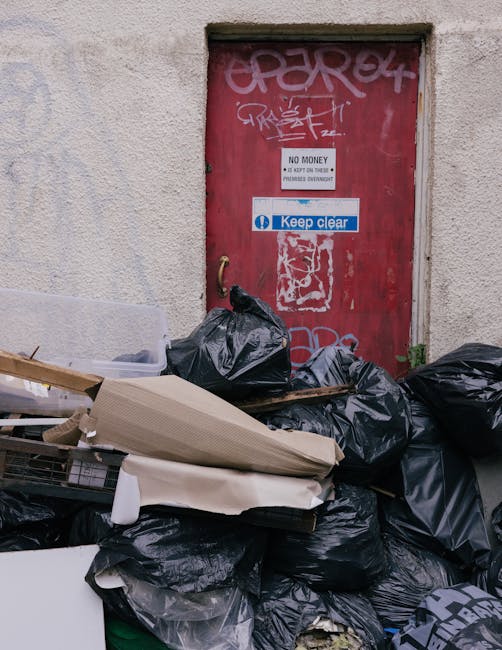
Avoid hidden rubbish removal charges in Clapham: a clear guide to pricing, quotes, and fair service
If you've ever booked rubbish removal and then felt the bill creep up at the end, you're not alone. Hidden fees can turn a simple clearance into a frustrating, expensive chore. This guide explains how to avoid hidden rubbish removal charges in Clapham, what a trustworthy quote should include, and how to spot the little extras that catch people out. Whether you're clearing a flat, handling builders' waste, or getting rid of bulky furniture, a few smart checks can save you money and a lot of faff.
To be fair, most people do not spend their morning comparing waste uplift terms. You just want the clutter gone, the hallway clear, and the job done properly. But that's exactly why pricing clarity matters. A good removal service should make the costs understandable before anyone lifts a bag.
Why hidden rubbish removal charges in Clapham matter
Hidden charges are a problem because rubbish removal is already a service where pricing can change depending on volume, weight, access, waste type, and time on site. If a quote is vague, you may only discover the real price when the team is standing by the front gate with the van door open. Not ideal.
In Clapham, that matters even more because many jobs involve flats, tight stairwells, controlled parking, shared entrances, or narrow residential roads. A provider that does not ask the right questions up front may later add extras for parking pressure, extra labour, or awkward access. Some charges are genuine and necessary. The issue is when they are not explained clearly before the job starts.
A transparent service gives you control. You can compare quotes properly, budget with confidence, and decide whether you want a man-and-van clearance, a full load, a partial load, or a service that includes sorting and lifting from inside the property. That's a big difference when money matters.
Expert summary: the cheapest quote is not always the cheapest job. A fair quote is the one that tells you what is included, what may change, and exactly when those changes apply.
There's also a trust angle. If a company is clear about price, it is usually clearer about everything else too: insurance, waste handling, arrival windows, and what happens if the job changes on the day. That's the sort of operator you want in your home, office, or building site.
How rubbish removal pricing usually works
Rubbish removal is normally priced using a mix of volume, weight, waste type, and collection conditions. In plain English, the more you have, the heavier it is, and the harder it is to remove, the more it can cost. That is standard. Problems start when the quote leaves out one of those factors and quietly adds it later.
Here's the basic flow most customers experience:
- You describe the job or send photos.
- The provider estimates the load and any access issues.
- A quote is given, ideally with clear inclusions.
- The team arrives, confirms the waste, and carries it out.
- The final price should match the agreed scope unless something has genuinely changed.
That last part is where people get caught. For example, you may think you're clearing one room, but the team discovers a loft full of boxed items, a broken appliance, and a mattress tucked away behind furniture. A reputable company should explain whether extra items change the quote and by how much.
Good providers often separate common service types too. Builders' rubble, green waste, office rubbish, and household clutter can all behave differently in the van and on disposal. If you need a more specific service such as builders waste clearance or office clearance, pricing should reflect the type of material, not just the size of the pile.
Sometimes the hidden cost is not a fee as such, but a missing detail. You book thinking it includes loading from inside, when the quote only covered kerbside collection. Or you assume appliance removal is included, when it needs a separate handling process. A good quote closes those gaps before the team sets off.
Key benefits and practical advantages
Transparent rubbish removal pricing is not just about saving money, though that is a nice bonus. It also makes the whole process calmer and easier to manage.
- No surprise add-ons: you know what you are paying for before the job begins.
- Better comparison: it becomes easier to weigh up quotes fairly.
- Less stress on the day: no awkward back-and-forth at the door.
- Faster decisions: you can book without second-guessing the final invoice.
- Cleaner service fit: you can choose the right clearance for the job.
There is also a practical household benefit. When you know the cost structure, you are more likely to sort items properly, split out recyclable material, and decide whether to include everything in one visit. A little planning here saves a lot of "oh, we forgot the garage" later on.
If you are dealing with bulky items, the right specialist page can help you understand what kind of disposal is likely needed. For example, old sofas and mattresses are usually better handled through dedicated services such as mattress and sofa disposal, while fridges and similar appliances may need a different approach like fridge and appliance removal.
That sort of matching matters. It stops you paying for the wrong thing, and it avoids the old classic of getting a quote for one type of waste and sending another. Happens more often than people think.
Who this is for and when it makes sense
This guide is useful for anyone in Clapham who wants waste removed without the final bill drifting away from the original estimate. That includes homeowners, tenants, landlords, managing agents, businesses, and tradespeople.
You might especially need to be careful about hidden rubbish removal charges if you are:
- clearing a flat after a move or tenancy change
- disposing of furniture from an upstairs property
- getting rid of mixed waste after building work
- emptying a loft, garage, or spare room
- booking a same-day or short-notice collection
- trying to compare a skip with a collection service
- handling office junk, confidential papers, or appliances
For homes, services such as home clearance, house clearance, flat clearance, loft clearance, and garage clearance may be more suitable than a generic rubbish uplift because the scope is easier to define. For garden waste, a dedicated garden clearance service can be clearer still.
If you run a business, clarity becomes even more important because downtime costs money. A tidy, predictable booking for business waste removal or office clearance helps you plan staff time, access, and disposal windows without extra drama.
Truth be told, if you are the type of person who likes the numbers nailed down before the van arrives, this topic is for you. And fair enough too.
Step-by-step guidance
Here is the simplest way to avoid hidden rubbish removal charges in Clapham without turning the process into a spreadsheet marathon.
- List everything you want removed. Be precise. "A few bits" is where estimates go fuzzy. Note bulky items, bags, boxes, broken furniture, white goods, and anything unusual.
- Take clear photos. Include wide shots and close-ups. Good photos help the provider judge volume, stacking, and access. Morning light near a window is better than a dark hallway shot with half a chair in frame.
- Explain access honestly. Stairs, basement steps, parking restrictions, no lift, long carries, and narrow hallways can all affect labour time. Don't underplay them. It helps nobody.
- Ask what is included. Does the price cover loading, labour, disposal, and VAT if applicable? Is there a minimum charge? Are there extra costs for heavier items or special waste?
- Check special item rules. Ask about appliances, mattresses, sofas, confidential paperwork, and anything hazardous. Some items need separate handling. Better to know now than at collection time.
- Confirm the payment method and timing. Make sure you know when payment is taken and whether there are any card fees or deposit requirements.
- Get the quote in writing. Even a short written message helps. It reduces the risk of "I thought that was included."
- Reconfirm if the job changes. If more rubbish appears the night before collection, tell them. A quick update can prevent a surprise bill.
A small but useful habit: keep one photo of the whole pile plus one photo of any awkward item. That little extra detail can make the quote far more reliable. Not glamorous, but it works.
If you are unsure how to compare quote styles, start with a page that explains the process clearly, such as pricing and quotes. The language there should tell you a lot about how the company thinks about transparency.
Expert tips for better results
After enough collections, a few patterns become obvious. The biggest pricing issues usually come from poor information, not malicious intent. So the smartest thing you can do is remove uncertainty early.
- Use photos, not just descriptions. Words like "full" mean very different things to different people.
- Separate waste by type where you can. Clean wood, garden waste, and mixed household rubbish are not always priced the same way.
- Ask whether the service is inside-the-property or kerbside only. That one detail changes expectations immediately.
- Check whether bulky items are priced individually. Sofas, fridges, and mattresses can change the quote more than a bag of general rubbish.
- Choose the right service for the job. A targeted clearance is often clearer than a vague general uplift.
- Watch for vague words in quotes. "Subject to inspection" is not necessarily bad, but it should be explained.
One practical tip from real jobs: ask the provider to confirm the worst-case price as well as the estimated price. That gives you a ceiling. If the actual load comes in a bit lighter, great. If not, at least you already know the upper limit.
And a slightly nerdy one, but useful: if the same company gives you a very different answer after receiving clearer photos, that's actually a good sign. It means the estimate is being refined, not guessed. There is a difference.
Common mistakes to avoid
People usually get caught by the same handful of mistakes, and once you see them, they are easy to avoid.
- Accepting a quote that is too vague. If it sounds airy, it probably is.
- Forgetting about access issues. Three flights of stairs and no lift can change the work involved.
- Not mentioning heavy or awkward waste. Bricks, rubble, old appliances, and wet garden waste can affect pricing.
- Assuming everything is one price. Many services have separate categories for different waste streams.
- Ignoring the small print. Not glamorous, but worth it.
- Booking on price alone. A low headline quote can become expensive once extras are added.
One mistake that shows up a lot in Clapham flats is underestimating how much time it takes to move items out of a building. Stairwells, shared corridors, and timed parking slots can all slow a job down. If the provider did not ask about these things, that should ring a small bell.
Another easy one to miss: leaving out items you think are "obvious." A broken chest of drawers in the bedroom or a battered old freezer in the kitchen can change the scope more than you expect. Mention everything.
Tools, resources and recommendations
You do not need fancy software to avoid hidden rubbish removal charges in Clapham. A phone, a note app, and a camera are often enough. Still, a few simple tools make the process much smoother.
- Phone photos: take wide shots from doorways and a couple of detail shots for awkward items.
- Simple inventory list: write down item counts, not just room names.
- Access checklist: note stairs, lifts, parking, and any restrictions.
- Budget ceiling: decide your maximum spend before requesting quotes.
- Service comparison: compare collection style, included labour, and waste type handling rather than headline price alone.
For some jobs, a dedicated service page is useful as a guide to scope. If you need a specialist clearance, the pages for furniture clearance, furniture disposal, and builders waste clearance can help you understand how different waste types are handled.
If your concern is safety, insurance, or how items are handled on site, it is also worth checking a provider's policies. Pages such as insurance and safety and health and safety policy help show whether the business takes the practical side seriously.
And if you are dealing with reusable or recyclable material, good providers should explain their approach to recycling and sustainability. That is not just a nice extra. It often affects how waste is sorted and therefore how the quote is structured.
Law, compliance, standards, and best practice
When rubbish is removed from a property, the company should handle it responsibly and in line with UK waste management expectations. You do not need to memorise legislation to book confidently, but you should expect a few sensible standards.
Good practice usually includes:
- clear communication about what is being collected
- appropriate handling of different waste types
- safe lifting and loading practices
- proper disposal routes rather than informal dumping
- reasonable transparency about fees and conditions
If a company cannot explain how it deals with special items such as hazardous materials, confidential waste, or appliances, that is a warning sign. For example, confidential paperwork should be managed through an appropriate process such as confidential shredding, not bundled into a generic load without discussion.
Likewise, anything potentially hazardous should be treated carefully. A reliable provider should be able to explain whether a job needs hazardous waste disposal or a different collection method entirely. Better a cautious answer than a careless one.
If you ever feel a quote is not being honoured properly, it is sensible to review the provider's terms and their complaints route. Clear terms and a real complaints process are usually signs of a more organised business, not just a better website. Funny how that works.
Options, methods, or comparison table
There are a few common ways to clear rubbish in Clapham, and each has a different pricing style. Here is a straightforward comparison.
| Option | Best for | Pricing style | Watch out for |
|---|---|---|---|
| Man-and-van rubbish removal | Mixed household waste, bulky items, quick clearances | Usually based on load size, labour, and waste type | Extra charges if access or waste type was not described properly |
| Dedicated clearance service | Homes, flats, garages, lofts, offices, and specific item groups | Often clearer because the scope is more defined | Misunderstanding what is included in the scope |
| Skip hire | Longer projects, ongoing renovation, large volumes | Fixed container hire with limits on fill and waste type | Permits, access, and what can go in the skip |
| Specialist item disposal | Fridges, mattresses, sofas, appliances, confidential waste | Item-specific pricing | Assuming specialist items are included in a general quote |
If you are weighing up a skip against a collection service, the page on what can go in a skip is a useful reference point. It helps you avoid paying for the wrong method, which is another version of the hidden-cost problem really.
For many Clapham households, a collection service wins on convenience because you do not need to load the waste yourself. For bigger renovation jobs, a skip can be more practical. It depends on the mess, the timing, and how much lifting you want to do. Let's face it, not everyone wants to carry broken plasterboard down two flights of stairs on a wet Tuesday.
Case study or real-world example
Here is a simple, realistic example.
A Clapham tenant is moving out of a two-bedroom flat and needs a sofa, a dismantled bed frame, several bags of clothes, a broken desk chair, and some mixed box rubbish removed. They contact a provider and send two photos: one from the living room and one from the hallway. The provider asks about stairs, parking, and whether there is anything heavy or awkward.
The tenant mentions the flat is on the second floor, there is no lift, and parking is tight but available nearby for a short stop. The quote comes back with the cost of loading, disposal, and the access conditions clearly listed. On the day, the team confirms the items, removes them, and the final bill matches the written estimate. No awkward surprises. Nice and boring, which is exactly what you want from rubbish removal.
Now compare that with a rushed booking. The customer says "just a few bits" and sends one blurred photo. The team arrives to find a full sofa, a wardrobe carcass, hidden bags on the balcony, and a freezer in the kitchen. The price may still be fair, but it will almost certainly be different. Not because anyone is being dramatic, but because the job was never fully described.
The lesson is simple: better information leads to better pricing. Every time.
Practical checklist
Use this checklist before you confirm a rubbish removal booking in Clapham.
- Have I listed every item that needs removing?
- Have I taken clear photos from more than one angle?
- Have I explained access, stairs, parking, and any carry distance?
- Have I asked what is included in the quote?
- Have I checked whether bulky or specialist items cost more?
- Have I confirmed the payment method and timing?
- Have I read any pricing notes, terms, or service conditions?
- Have I asked what happens if the job changes on arrival?
- Have I compared more than one provider on value, not just headline price?
- Have I chosen the right service for the type of waste?
If you can tick most of those off, you are in a much safer position. The bill should be far less likely to wander away from the quote. That alone can make the whole thing feel calmer.
Get a free quote today and see how much you can save.
Conclusion
Avoiding hidden rubbish removal charges in Clapham is mostly about clarity, not luck. The best results come from giving accurate information, asking direct questions, and choosing a service that explains its pricing before the van arrives. That way, you are comparing real value rather than guessing what might happen later.
Whether you need a quick one-off uplift or a fuller clearance for a flat, loft, garage, or office, the principle stays the same: be specific, get it in writing, and make sure the quote covers the real job. Simple advice, yes. But it saves headaches, and sometimes quite a bit of money too.
And if you are still weighing things up, that is perfectly normal. A good removal job should leave you with space, not second thoughts. That's the real win.
Frequently asked questions
What are hidden rubbish removal charges?
Hidden charges are extra costs that were not clearly explained before booking. They can include access fees, bulky-item surcharges, extra labour, or waste-type adjustments that appear on the final bill.
How can I avoid surprise fees when booking rubbish removal in Clapham?
Send clear photos, list every item, explain access conditions, and ask what is included in the quote. Get the price in writing and confirm what happens if the job changes.
Is the cheapest rubbish removal quote always the best choice?
Not usually. A low headline price can hide extras. A better quote is the one that clearly explains labour, disposal, access, and any specialist handling before the job starts.
Do stairs or no lift cost extra?
They can, depending on the provider and how difficult the removal is. The key is that any access-related cost should be explained before collection, not after.
Can I get a fixed price for rubbish removal?
Often yes, if the job is described well. Fixed prices are more likely when you provide photos, item lists, and access details. If the scope is unclear, a good provider may give an estimate instead.
Why do bulky items sometimes cost more?
Bulky items take more space, can be heavier to move, and may need more care during loading and disposal. Sofas, mattresses, fridges, and wardrobes are common examples.
What should a transparent quote include?
A transparent quote should explain the items covered, labour, disposal, access assumptions, any exclusions, and how changes will be priced. If anything is unclear, ask before booking.
Are special items like appliances or confidential papers treated differently?
Yes. Appliances may need separate handling, and confidential papers should be dealt with through an appropriate shredding process. Never assume those items are included in a general rubbish load.
Should I choose a specialist clearance service or general rubbish removal?
If you have a specific job such as furniture, builders' waste, or an office clear-out, a specialist service often gives clearer pricing and better scope control. It depends on the waste type and the size of the job.
What if the team arrives and says the quote has changed?
Ask exactly why. A fair price change should be based on a genuine difference in the job, such as more waste, heavier items, or more difficult access than was described originally. If that was not discussed earlier, challenge it politely.
Is it worth comparing rubbish removal against skip hire?
Yes, especially for larger jobs. Skip hire can suit longer projects, while collection services suit quicker clearances and situations where you do not want to load the waste yourself. Comparing both helps you avoid paying for the wrong method.
What is the best first step if I want a clear quote?
Take a few good photos and write a simple list of items, then ask for a written quote. That single step solves a lot of pricing confusion and gives you a much more reliable starting point.